
When the Leaves Fall, Scotland Starts to Change
Scotland at the darkening of the year
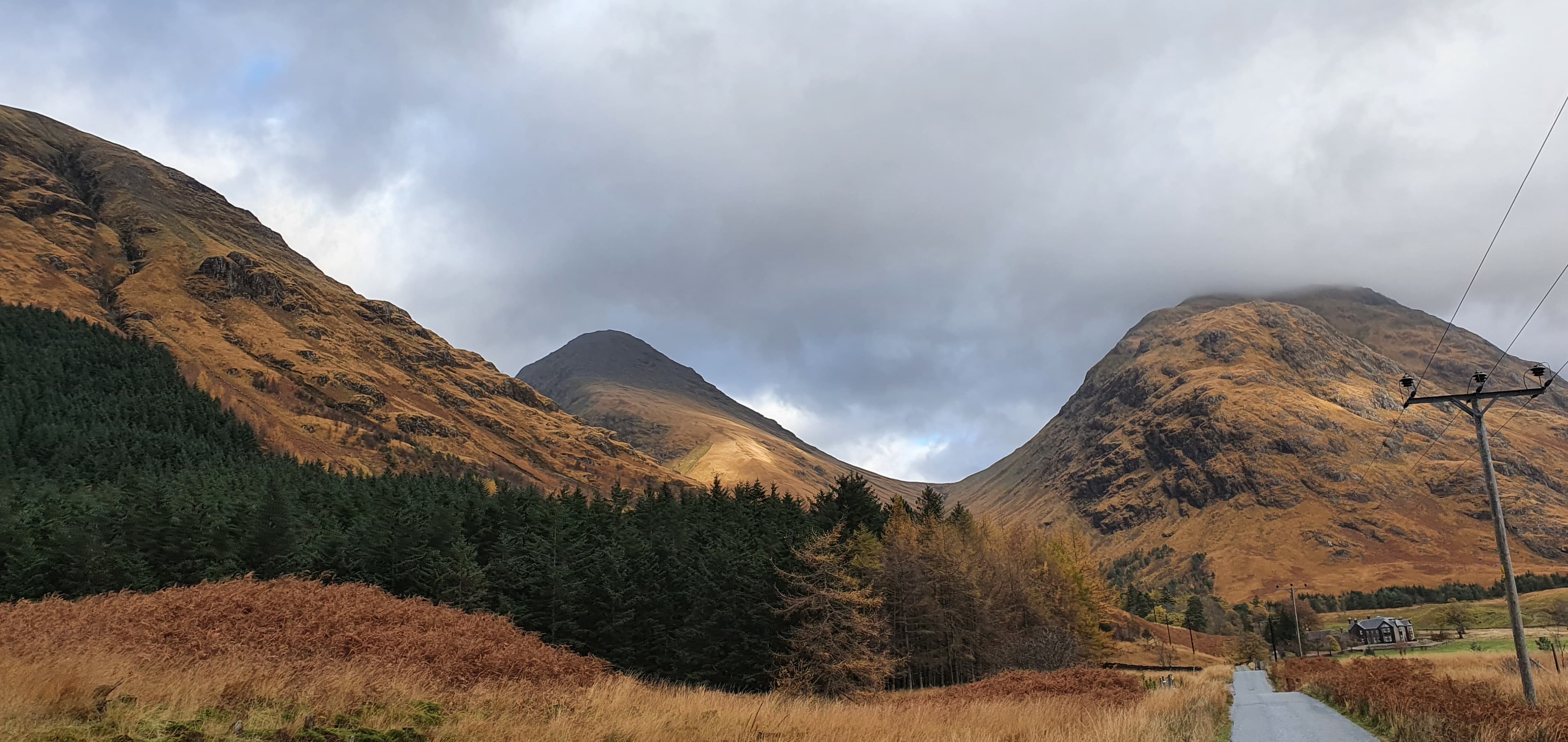
Frost on Glen Etive, stags on the hill, geese gathering at Loch Leven and lights at the door. October changes the pace of Scotland as the countryside slows and the nights draw in.
By October, you can feel the change starting.
In rural Scotland, the pace begins to slow. The days are shorter and the ground can feel heavier underfoot. In towns and cities, the longer nights bring a different kind of life: lights come on earlier and people move indoors. For me, though, the first signs are easiest to notice in the landscape.
In Glen Etive, the bright green begins to go out of the bracken and fern. It turns darker brown, sometimes with frost lying across it in the morning, and the shadows stretch a bit longer through the glen. As the summer growth dies back, the mountains seem to show themselves differently too.
What I notice most, though, is the quiet. There is less traffic and less general noise. You hear the birds more clearly, and you hear the river. The water seems louder somehow when everything around it has quietened down. The air feels crisper as well.
It is not only in the Highlands. Along the Tweed, just south of Galashiels, October comes through the trees. The sycamores are never one neat autumn colour. There are still greens mixed through the golds, oranges and yellows. As the canopy thins, you start seeing the hills again.
Then there are the leaves underfoot. A blanket of them gathers on the ground and you get that dry rustling sound as you walk through them. It is lovely.
When the hills answer back
When a place gets quieter, you notice other things.
October is at the heart of the red deer rut in Scotland. That is the useful factual bit. Hearing it is something else.
You can be standing in a perfectly quiet moment and suddenly there is this strange, loud, almost ancient sound from somewhere on the hill. It seems to warn and announce at the same time.
You never quite know where it is coming from. It might be much farther away than you think because the sound carries through the glen. Then another one answers.
That is when you know you are not the top, or the most important thing, in the glen.
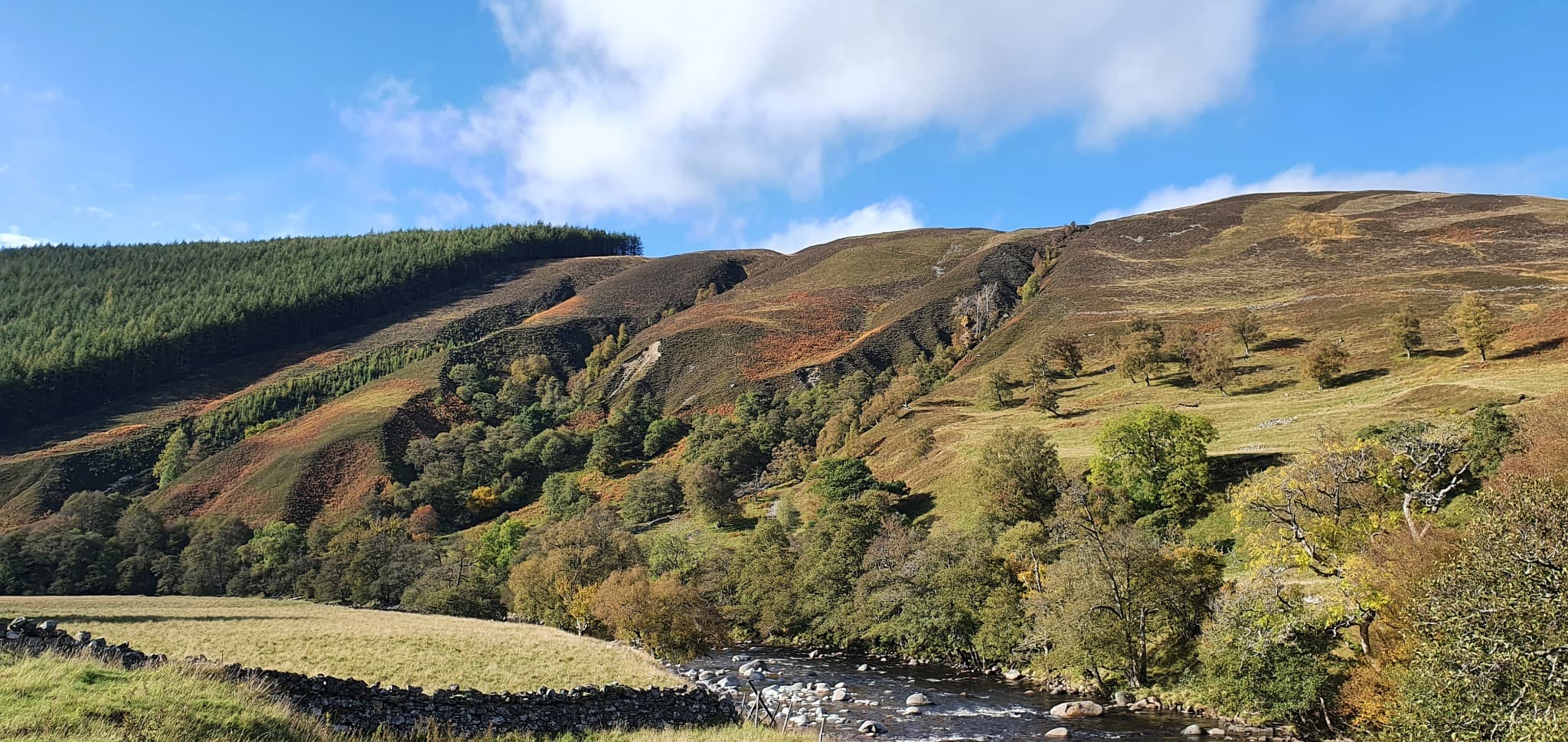
Autumn in Glen Tilt
A bit of a gang at Loch Leven
There is movement elsewhere too.
At Loch Leven at this time of year, I am always on the lookout for the geese. Depending on the time of day, you catch them setting off or coming back in to land.
Pink-footed geese use Loch Leven as an important autumn staging and roosting place, moving between the loch and feeding grounds around it. That is the factual context. Standing there watching them, though, that is not really what I am thinking about.
There is something about so many of them coming together that makes them feel like a bit of a gang getting ready for a big adventure.
I always wonder about the point when they finally go. How long will it take them to get where they are going? Do they somehow know exactly where they are heading? Are they excited, if you can put that sort of human thought onto a goose, or is there a bit of uncertainty in it too?
Of course, that is me giving them human thoughts. But when you have watched them gathering, and then one day realise that many of them have gone, it is difficult not to wonder where they have got to.
October does that. Things are changing, moving on, getting ready.
By MacFarlane's Lantern
The days are shorter by then too.
An old Scots name for the moon is MacFarlane's Lantern. The Dictionary of the Scots Language also records MacFarlane's bowat, with a traditional association between the name and moonlit forays. A bowat was itself a lantern.
I like the expression because it makes the moon practical. It is light to travel by, and once the days shorten that matters to how a road or hill path feels.
Baddinsgill, north of West Linton, is one of those places where you notice it. It has always felt to me as though it is supposed to be kept a little secret. It sits farther out from Edinburgh than the hills most people first think of, but the basin makes for a really fine walk.
By October, the ground can be heavier and boggier. The day is shorter, so it can be cold at the beginning and cold again towards the end. But you still get fine days. When the sun is shining, there is no better place to be in the southern part of Scotland. It is quiet, peaceful and almost idyllic, with wide views across the basin.
Then the light starts to go. A familiar path can feel quite different after that.
The light at the door
By the end of October, some of that light has moved closer to home.
Halloween as a child was partly about the build-up. You needed something ready for the doors: a story, a joke, a trick, something that might get a laugh or give somebody a bit of a fright.
Then you went round the neighbourhood and there were familiar faces waiting for you. There would be games too. Dooking for apples was one of them. Dook is Scots for dunking your head under water, which is exactly what the game involved. There was pinning the tail on the donkey too, and in my case a little sleight-of-hand magic trick could be enough to earn a penny chew.
They are good memories.
I still like the lanterns now. There is the carving, choosing the design and putting it outside the front door once it gets dark. For families out guising with their children, that light means something quite simple: we are in, the door is open, you are welcome to knock.
I like that.
And I like seeing everybody's artistic efforts. Some faces are funny. Some are clever. Some are properly dreadful. You get the fun and the dread of Halloween in them.
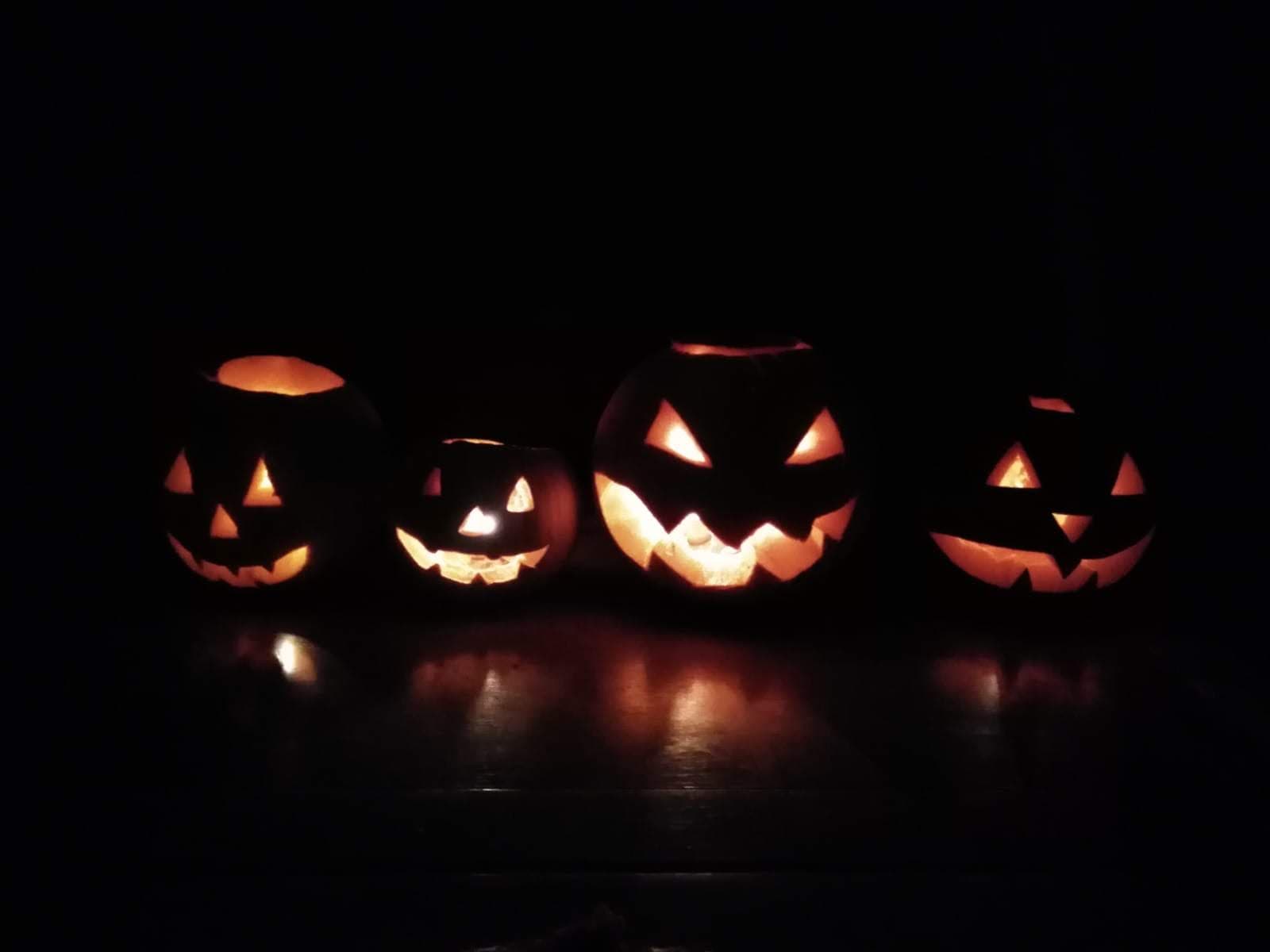
Carved Halloween lanterns outside in the dark
When the pace changes
That is the other change October brings.
Out in the countryside, things begin to slow down. The days shorten, the mornings are colder and familiar walks start asking a little more of you. In towns and cities, the longer nights bring a different rhythm. People come indoors, lights stay on and there is more reason to find somewhere warm.
Soup, stew, neeps and tatties and other warm food start to make more sense again. Not because food has to carry some grand idea of tradition, but because it is cold outside and something warm is welcome.
And there is another side to the longer nights. There are few things better than going into a local bar and finding folk music being played, or somebody starting a song and others joining in.
It does not have to be organised into anything grand. People are simply together, talking, listening, singing and enjoying the evening.
For me, that is where tradition often feels most natural. Not when it is being presented as something Scottish, but when nobody in the room particularly needs to explain it.
Outside, the leaves are down and the nights are drawing in.
Inside, Scotland carries on regardless.
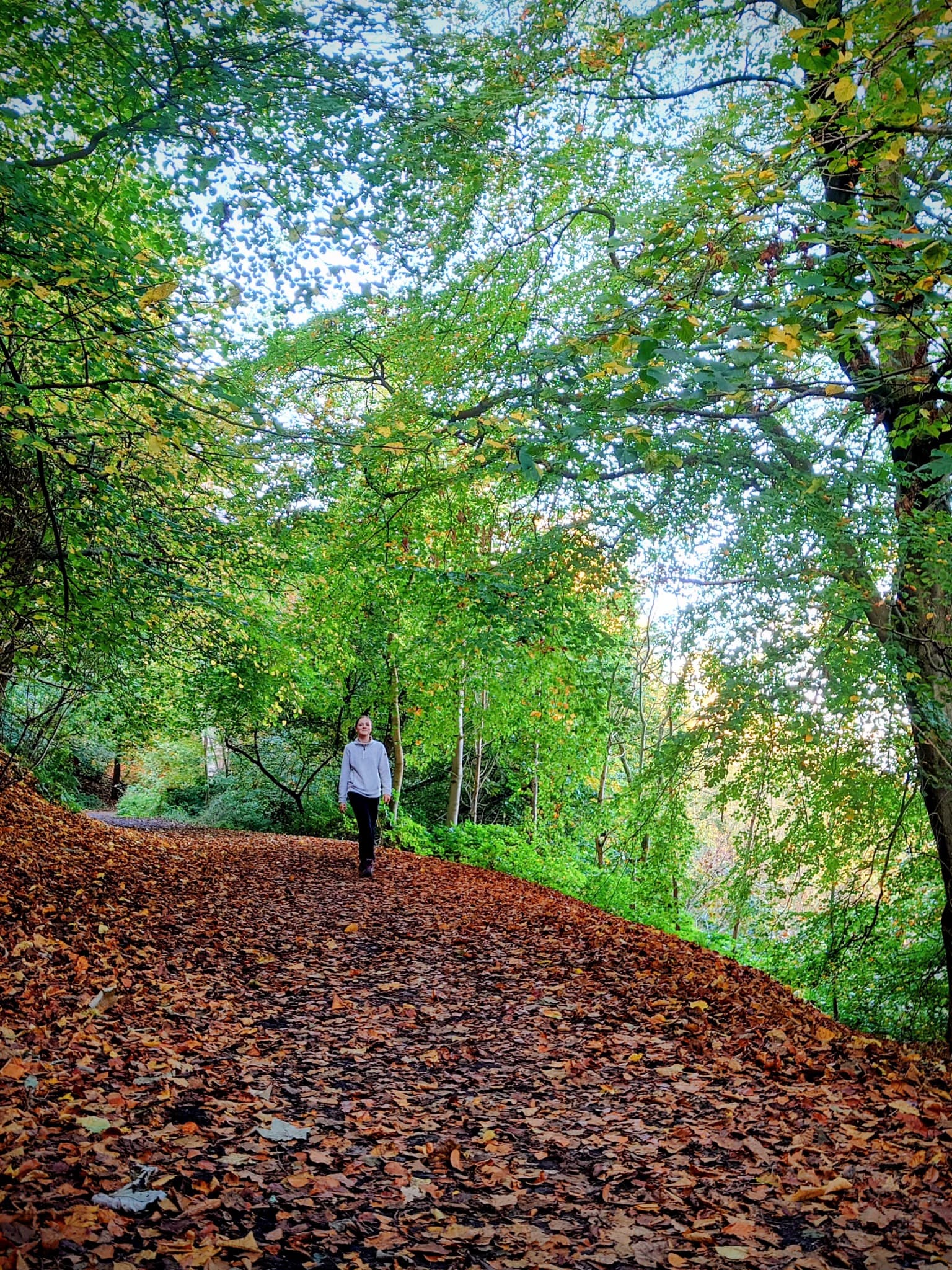
An autumn woodland path beneath turning trees
A place understood. A story shared. A day that's made for you.