
Ross McDowell / Tartan Compass
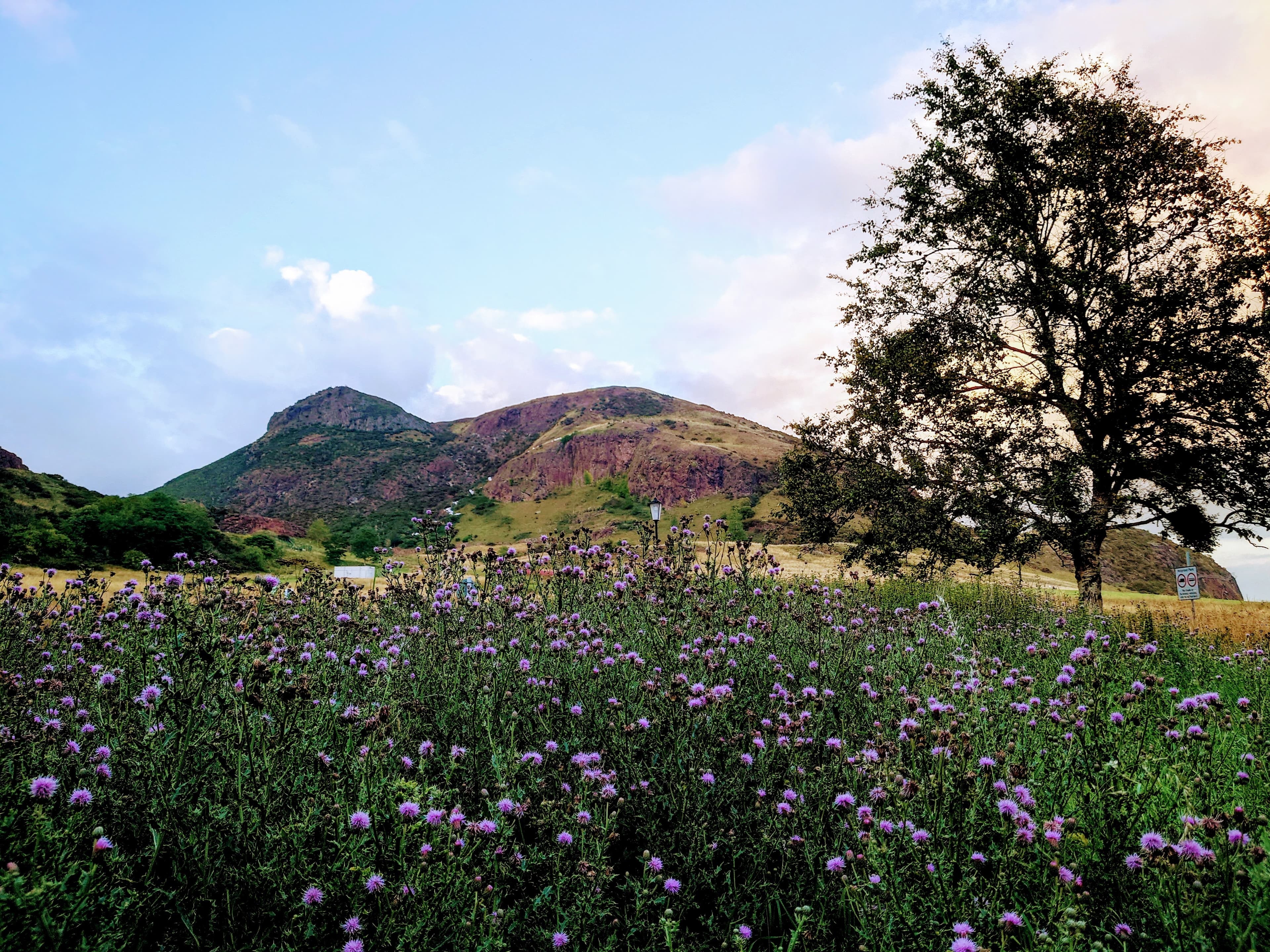
At Holyrood Park, Edinburgh's built city gives way almost immediately to the remains of an ancient volcano.
What I like here is that the landscape does more than give Edinburgh a dramatic backdrop. The crags and ridges help explain the shape of the city, and once you begin joining geology to the Old Town, Holyrood and the Forth, the view becomes much more than a photograph. There are plenty of smaller stories hidden in the park too, which is why I never think of it as just a climb to the top.
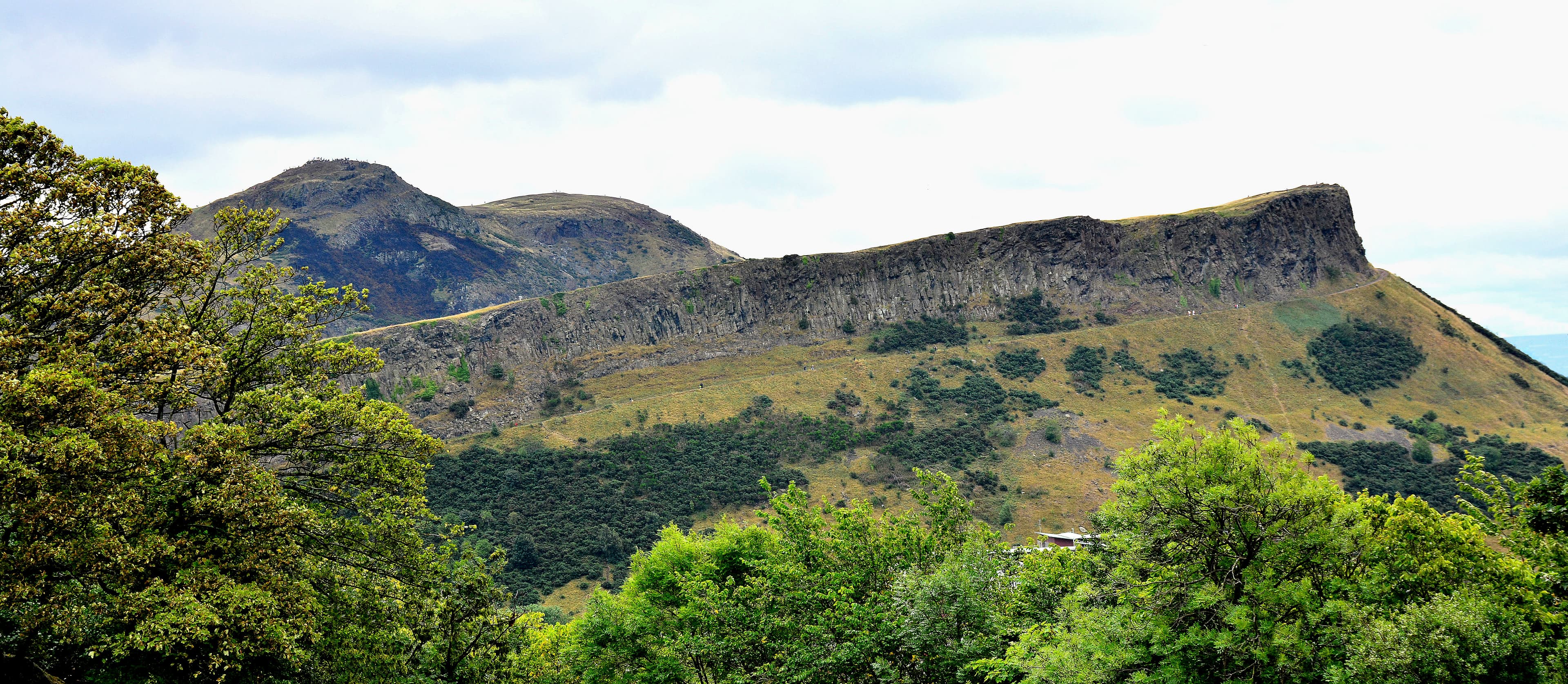
Arthur's Seat and Salisbury Crags are part of a volcanic landscape formed around 340 million years ago and later reshaped by glaciers. That geology helps explain Edinburgh's cliffs, ridges and the dramatic relationship between the Old Town and the ground around it. The park also belongs to the history of science. In the eighteenth century James Hutton studied rock exposures at Salisbury Crags as he developed ideas that helped change understanding of geological time. People have used this ground for thousands of years, and today it remains an unusually direct meeting point between capital city, protected landscape and everyday recreation.
Salisbury Crags, the hollows, exposed rock and the profile of Arthur's Seat make the park feel like a landscape with a history of its own rather than simply a viewpoint. From within the park, the Old Town ridge, Calton Hill, the Palace, the Forth and the newer city fall into relationship with one another. The city becomes easier to read from the ground around it.
Explore Edinburgh with a private guide
Use Arthur's Seat & Holyrood Park as an interest or focus for a private day in Edinburgh. Choose between a half-day or a full day—without a fixed route or rigid tour.
Shaping a private day around what interests you
Whether you are drawn to traditional crafts, industrial history, or dramatic Highland landscapes, Ross shapes private journeys around your interests and pace.
Get in touch