

Ross McDowell / Tartan Compass
Edinburgh's historic graveyards record the city through its people: belief, work, status, argument, migration and the different ways generations chose to be remembered.
What I like about Edinburgh's graveyards is that the headstone is often only the beginning. A name, symbol or odd gap in the ground can take you into work, belief, science, migration or the way the city changed around the dead. They are another way of reading Edinburgh, and some of the best stories are the ones that are not obvious until you know where to look.
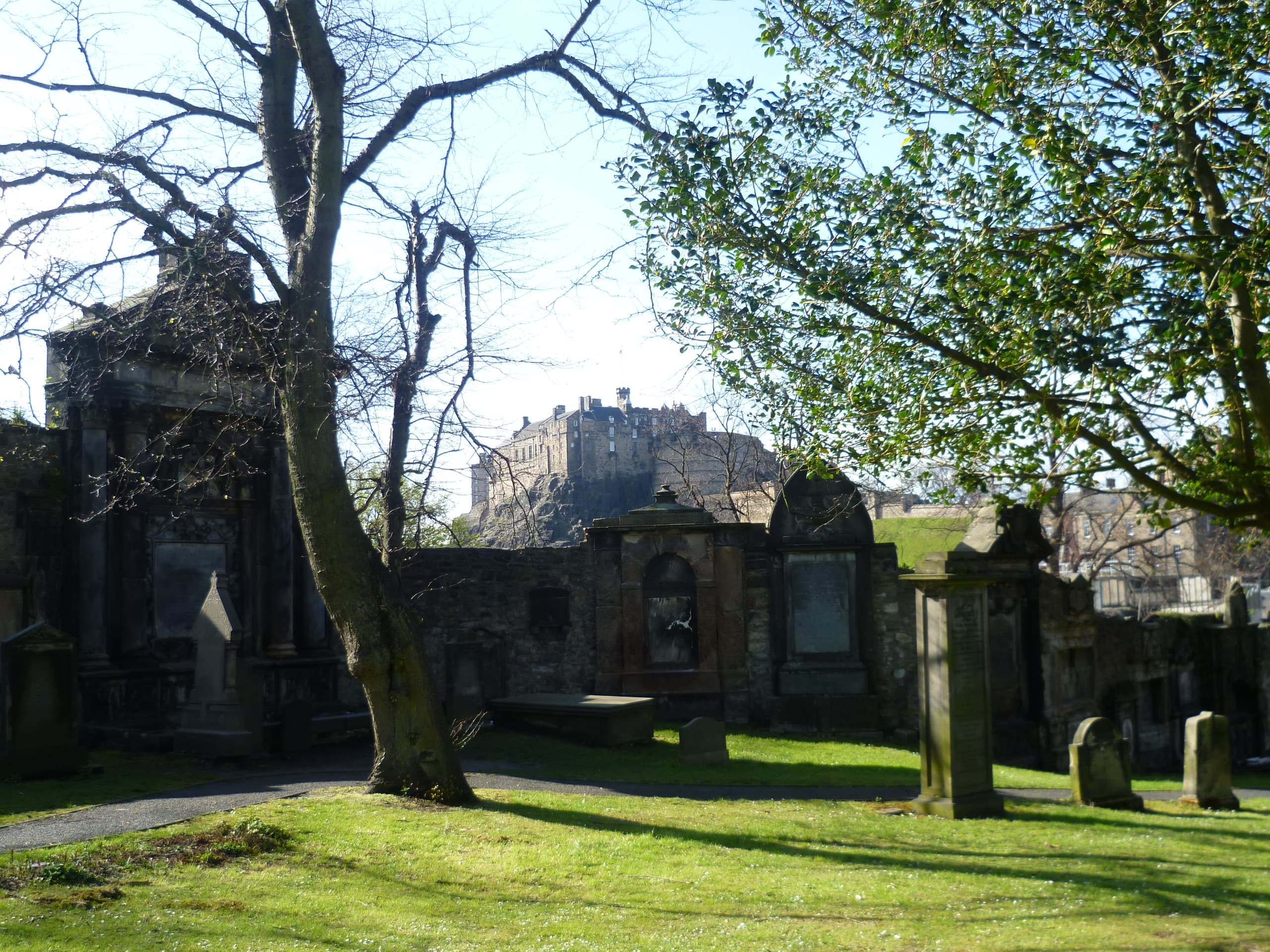
Greyfriars, Canongate, St Cuthbert's, Old Calton and New Calton form an exceptional group of historic burial grounds within Edinburgh's World Heritage landscape. Their importance goes beyond famous names. Monuments record occupations and trades, religious belief, family relationships, civic status and changing approaches to commemoration. The settings matter too. These burial grounds sit beside churches, streets, monuments and neighbourhoods that kept changing around them, and Edinburgh has repeatedly had to build around, beside and sometimes through them.
These are burial places before they are visitor attractions, and the most revealing details are often small. Language, trade symbols, family relationships, places of origin and the scale of individual monuments open much wider pieces of Edinburgh's social history. The settings differ sharply: Greyfriars sits against the dense Old Town, Canongate Kirkyard opens off the Royal Mile, and Old Calton was physically altered by the expanding city.
Explore Edinburgh with a private guide
Use Edinburgh Graveyards as an interest or focus for a private day in Edinburgh. Choose between a half-day or a full day—without a fixed route or rigid tour.
Shaping a private day around what interests you
Whether you are drawn to traditional crafts, industrial history, or dramatic Highland landscapes, Ross shapes private journeys around your interests and pace.
Get in touch