
Tobacco Fortunes and Slavery
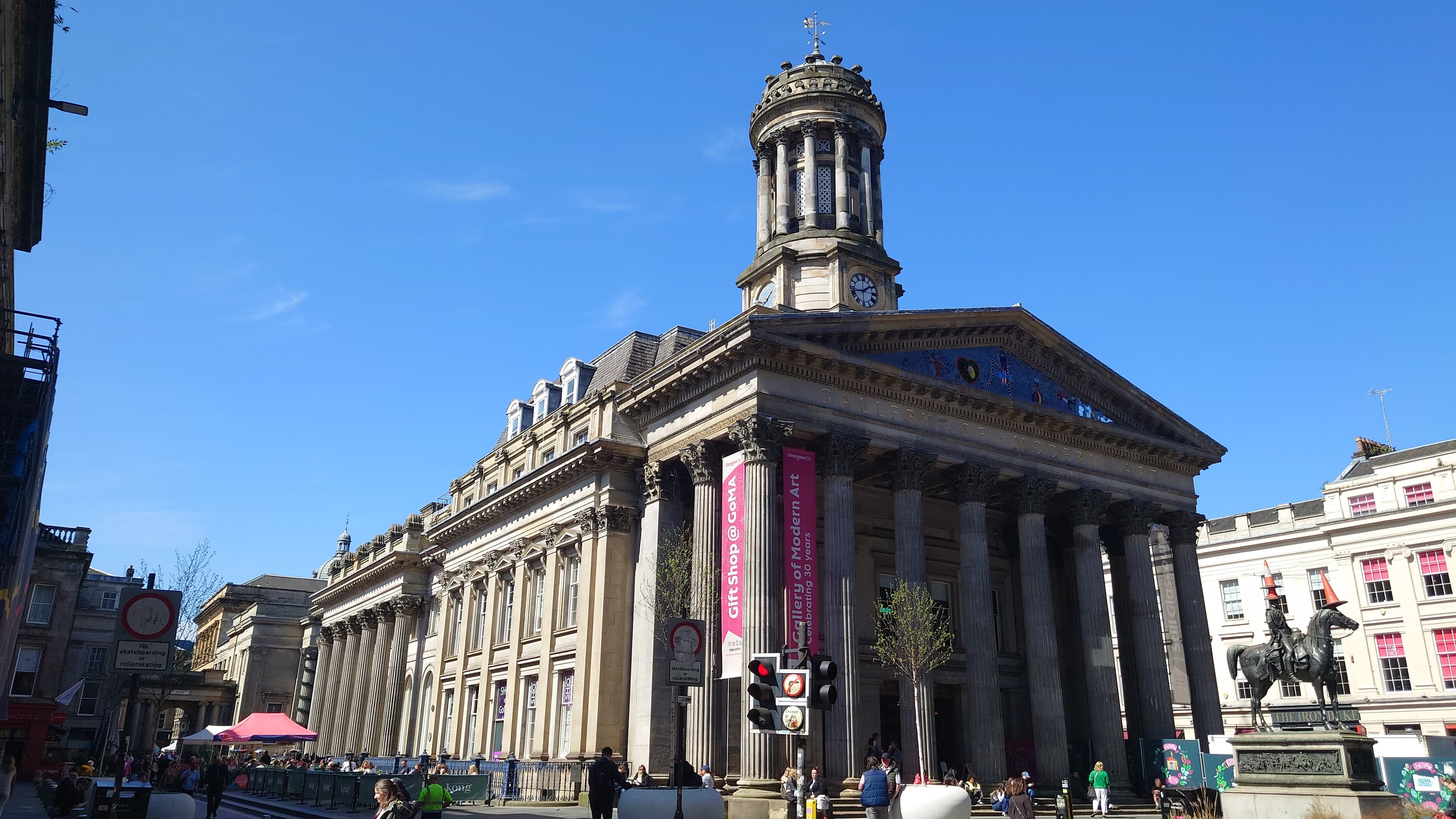
Ross McDowell / Tartan Compass
Glasgow's Atlantic wealth is still visible in streets and buildings paid for by tobacco grown by enslaved labour in Virginia and Maryland.
Glasgow's rise as a major Atlantic trading city was closely connected with tobacco imported from Britain's North American colonies. Merchants built fortunes through that trade and invested their wealth back into the growing city. William Cunninghame spent years working in America before returning to Glasgow, where construction of his Queen Street mansion began in 1777. The building survives, much altered, as today's Gallery of Modern Art. Glasgow Life is explicit that Cunninghame's tobacco wealth depended on crops produced by enslaved labour. Virginia Street and surviving merchant properties nearby keep parts of that Atlantic economy visible in the modern city.
The evidence is spread through the city rather than concentrated in a single monument. GoMA began as Cunninghame's private mansion, while nearby street names and surviving merchant buildings still carry traces of the same Atlantic economy. The Georgian fabric and the source of the wealth belong to the same history.
Ask about exploring this place or connecting it with others on a guided day in Scotland.
Shaping a private day around what interests you
Whether you are drawn to traditional crafts, industrial history, or dramatic Highland landscapes, Ross shapes private journeys around your interests and pace.
Get in touch