
Photography: CopiousEdits / Wikimedia Commons (CC BY-SA 4.0)
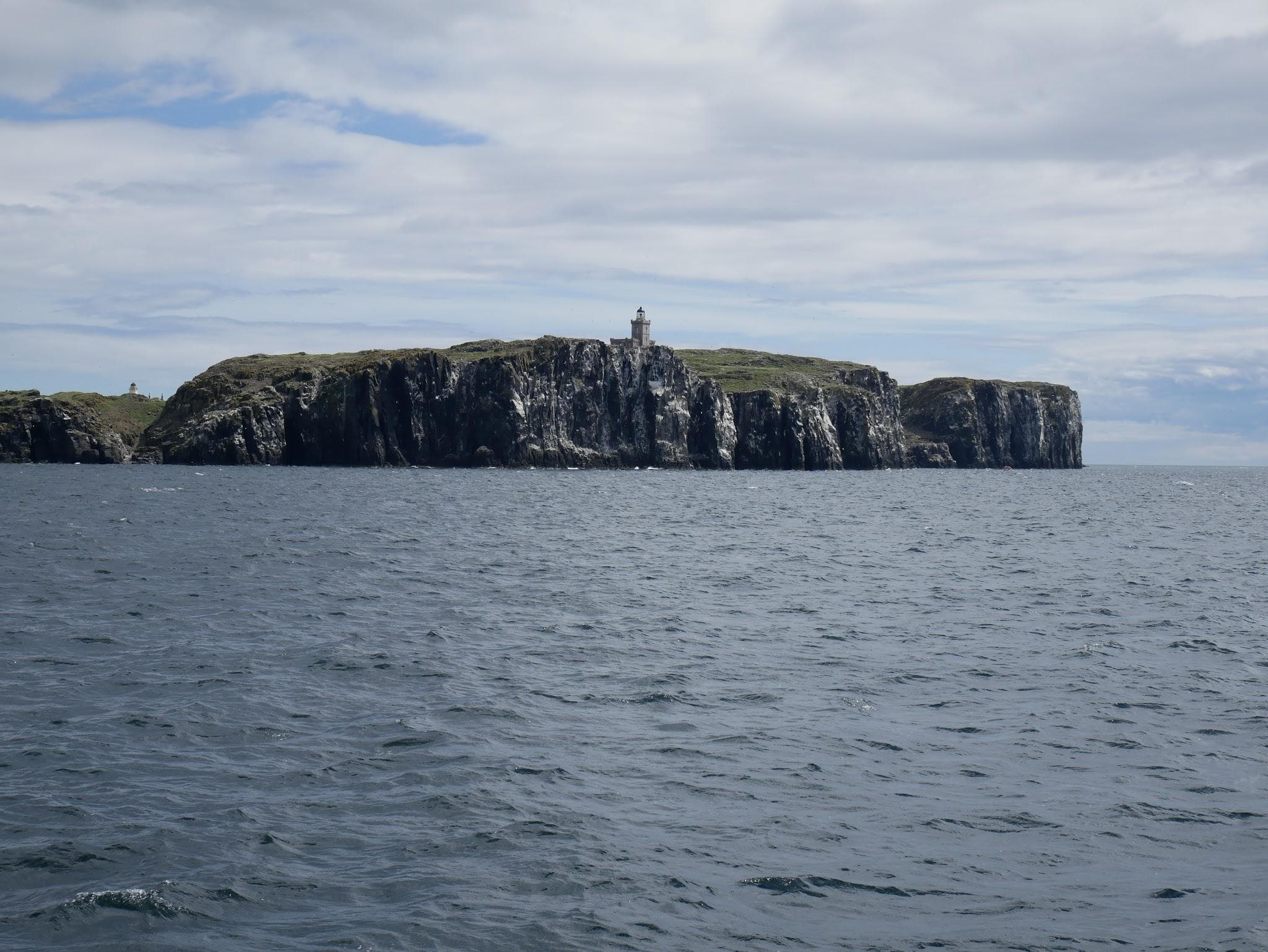
A boat trip to the Isle of May reaches a small island that operates as wildlife reserve, research station, navigation landmark and seasonal visitor destination all at once.
The island is famous for its seabirds and grey seals, but what makes it feel contemporary is the amount of active work taking place around them. Scientists have studied seabirds here for decades, long-term seal research continues, and rangers manage visitors alongside the needs of breeding wildlife. Current biosecurity measures, including footwear disinfection, are part of protecting seabird colonies from avian influenza. Visitors themselves arrive by boat during the open season, so the journey across the Forth is part of the experience rather than simply transport to an attraction. Around that modern conservation work are older human layers: early Christian occupation, lighthouses, navigation and wartime remains. The May has repeatedly been useful because of where it sits at the entrance to the Forth.
Pay attention to the arrival. Boats, landing arrangements and conservation procedures immediately tell you that this is a managed island rather than an unrestricted wildlife spectacle. Once ashore, look at the relationship between birds and buildings. Lighthouse structures, religious remains, research activity and nesting colonies occupy an extraordinarily small piece of ground.
What appeals to me about the Isle of May is how much is packed into one small island: work, life, nature and pilgrimage, with the sea all around you. You are properly out on an island, yet still closely connected to the Fife coast. That combination gives it a character of its own.
Ask about exploring this place or connecting it with others on a guided day in Scotland.
Shaping a private day around what interests you
Whether you are drawn to traditional crafts, industrial history, or dramatic Highland landscapes, Ross shapes private journeys around your interests and pace.
Get in touch