
Leith: Casks, Rope & Sail
Controlled maritime archive
In Leith, the old port can still be read through the things it needed to make and move: rope, sailcloth, bottles, casks, ships and the infrastructure that connected them.
Leith was not simply Edinburgh's harbour. Until 1920 it was a separate burgh, with its own powerful maritime and working identity. Trade connected it with ports across northern Europe and supported a dense landscape of docks, warehouses, rope and sail making, glassworks, whisky businesses, railways and other industries. Much of that industry has disappeared or moved elsewhere, but its geography has not vanished completely. Former factories have become homes, warehouses have found new uses and old industrial ground has been absorbed into modern Leith. Looking carefully at the surviving buildings, streets and infrastructure allows the working port to be reconstructed from what remains.
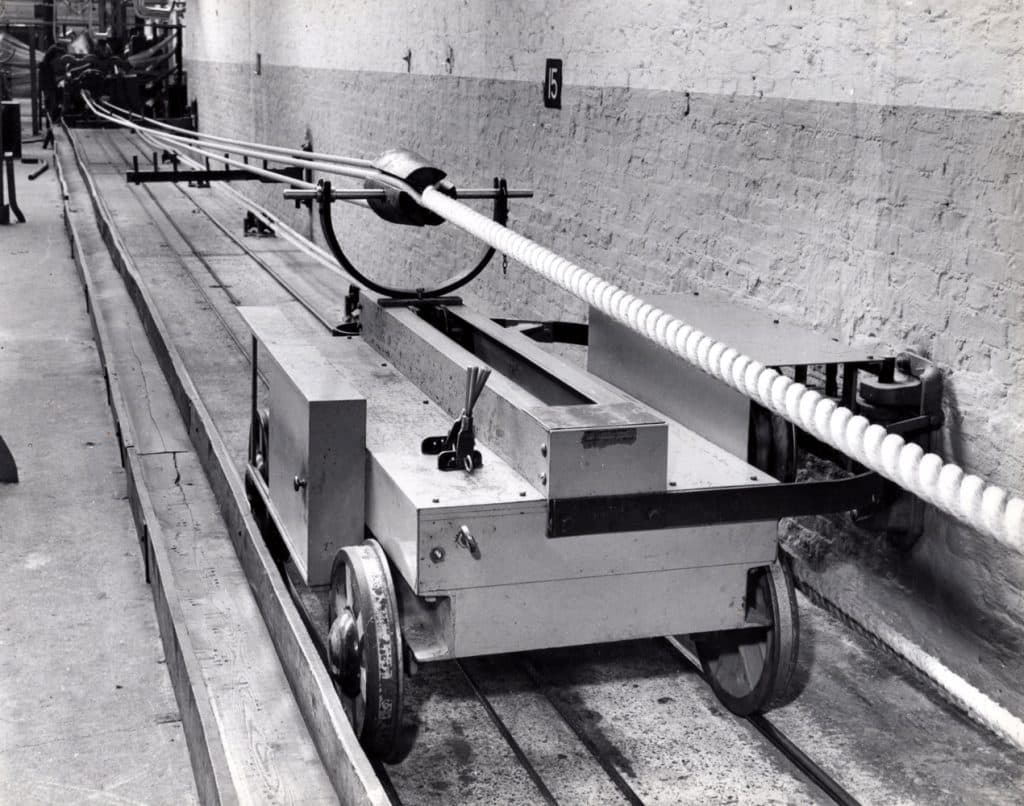
When you look beyond the Shore itself, you start to discover signs of what once made the port work. Around Leith Links and Salamander Place, rope and sailcloth were once made on an industrial scale, and the same ground later supported whisky bottling. Near Salamander Street stood glassworks producing wine bottles associated with a form that helped shape the modern wine bottle. Elsewhere, warehouses, railway infrastructure and the docks connected making to storage and global logistics. Something to ponder when walking the streets is not the absence of preserved workshops. It is understanding what had to be made, stored and moved across Leith to keep a major port working and help the nearby capital thrive.
I genuinely love Leith and the layers that make me want to take a closer look. I remember the Whyte & Mackay bottling operation beside Leith Links in the early 2000s, on ground that had once included the North Mid Hole, the second hole of the five-hole course used for the famous 1744 golf competition. The area was later part of Leith's industrial landscape, including rope and sailcloth making, before whisky bottling occupied the site. It looks completely different now, almost entirely residential, but traces keep appearing in old warehouses, redundant railway tracks, street patterns and the docks themselves. For me, Leith is one of the places that made Edinburgh work. For centuries an enormous amount of the city's commerce passed through here. By the Victorian period, ships, docks and railways had become part of the same system, bringing goods in from overseas and carrying Scottish products towards markets far beyond the city. It certainly has a character of its own. In the evening, particularly in summer and early autumn, it can feel like a different town within the city. I've always found it sociable and welcoming, somewhere people will talk with you and share stories. Perhaps that is one of the memories a port leaves behind: a place accustomed to people arriving, leaving, working and sharing moments together.
Ask about exploring this place or connecting it with others on a guided day in Scotland.
Shaping a private day around what interests you
Whether you are drawn to traditional crafts, industrial history, or dramatic Highland landscapes, Ross shapes private journeys around your interests and pace.
Get in touch