
Real Wood Studios
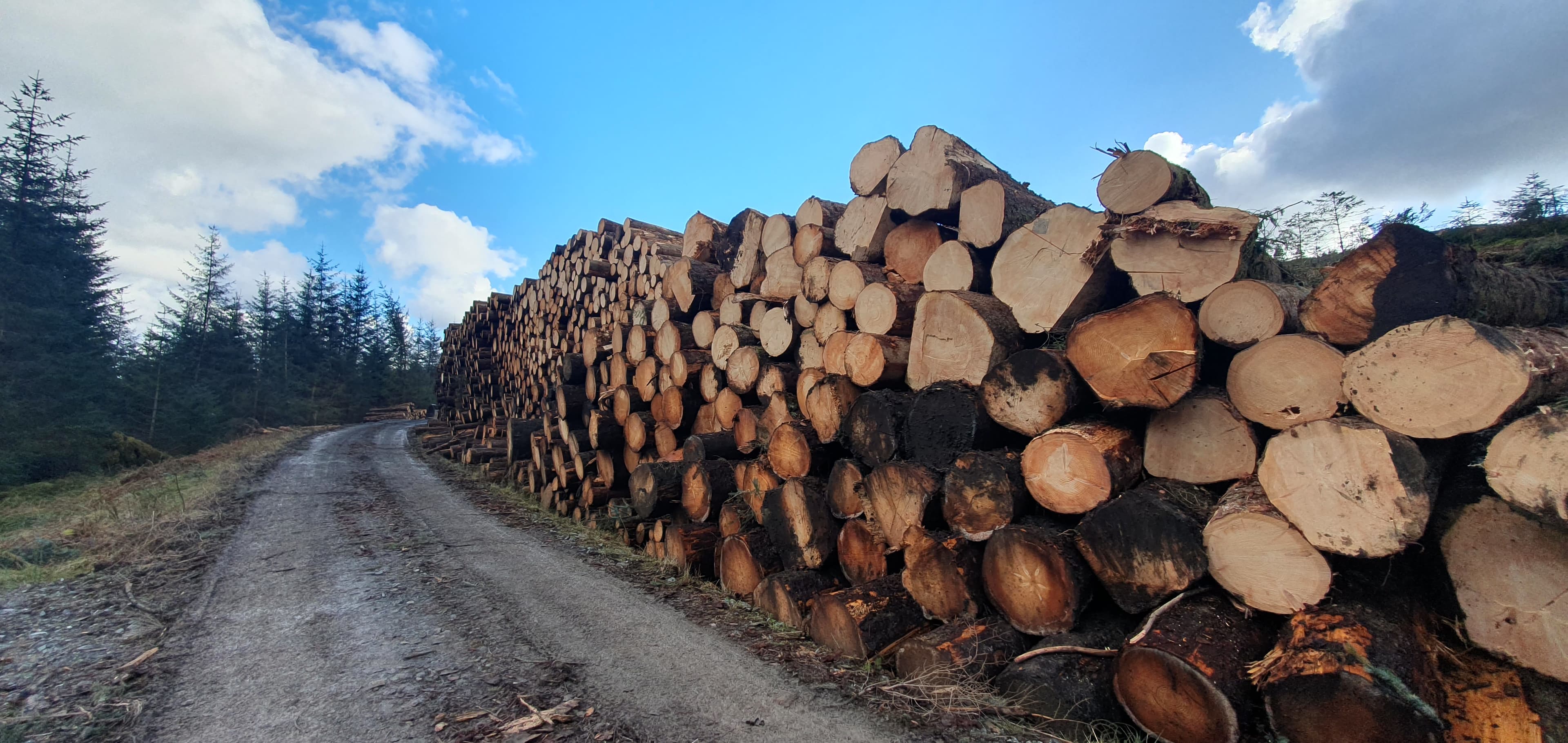
Controlled timber archive
Down at Ancrum, deep in the Scottish Borders, the inspiration and act of making start before the workbench: with the idea, the tree, the woodland and the decision about what our Scottish wood can become.
At Real Wood Studios, timber and furniture making are brought close together. A sawmill, timber yard, kilns and makers' workshops mean locally grown hardwood moves through the stages that are easy to lose sight of in a finished chair, table or cabinet: milling, drying, selecting the right board, designing, shaping and finishing it. There is a meaningful Borders story here as well. The furniture maker and sculptor Tim Stead was an influential advocate for working with native timber while also restoring the woodland resource from which it came. His Axes for Trees project helped fund the creation of Wooplaw Community Woodland in 1987, and in 1996 he was among those who founded the Woodschool at Ancrum. After the Woodschool was restructured in 2008, its work continued through Real Wood Studios. The result is more than a story about furniture. It connects making with the origin of the material and asks what it means to use a landscape responsibly while keeping specialist skills and local timber in productive use.
The story can start with selecting the wood rather than choosing a precise design. Elm, oak, ash and sycamore are not interchangeable materials, and even two trees of the same species can produce very different timber. Look at colour, grain, burrs, knots and natural edges, then ask why a maker has chosen one particular board for one particular job. Sawmilling, seasoning and drying are part of the making too. They influence the stability and possibilities of the timber long before a joint is cut or a surface finished. When you start to appreciate the workmanship you look very differently at the end product. You notice where the maker has controlled the material and where its individual character has been allowed to remain visible.
The wider story is fascinating; from knowing the origin of the wood through to the form it takes, its purpose and final destination. Following a finished piece backwards, from the furniture to the board, the sawmill and eventually its woodland origin is really cool. It makes the material visible again. There is also a rich body of Borders know-how worth preserving. Tim Stead was part of that tradition, connecting the use of native wood with a responsibility to put something back into the landscape it came from. This is what makes Real Wood Studios much more than a furniture stop. It gives us a way to talk about what we create from our natural surroundings, the craft and skill involved in working with a material that still carries the character of the tree it came from, and the respect and care we must give to the places that provide it.
Ask about exploring this place or connecting it with others on a guided day in Scotland.
Shaping a private day around what interests you
Whether you are drawn to traditional crafts, industrial history, or dramatic Highland landscapes, Ross shapes private journeys around your interests and pace.
Get in touch