
North
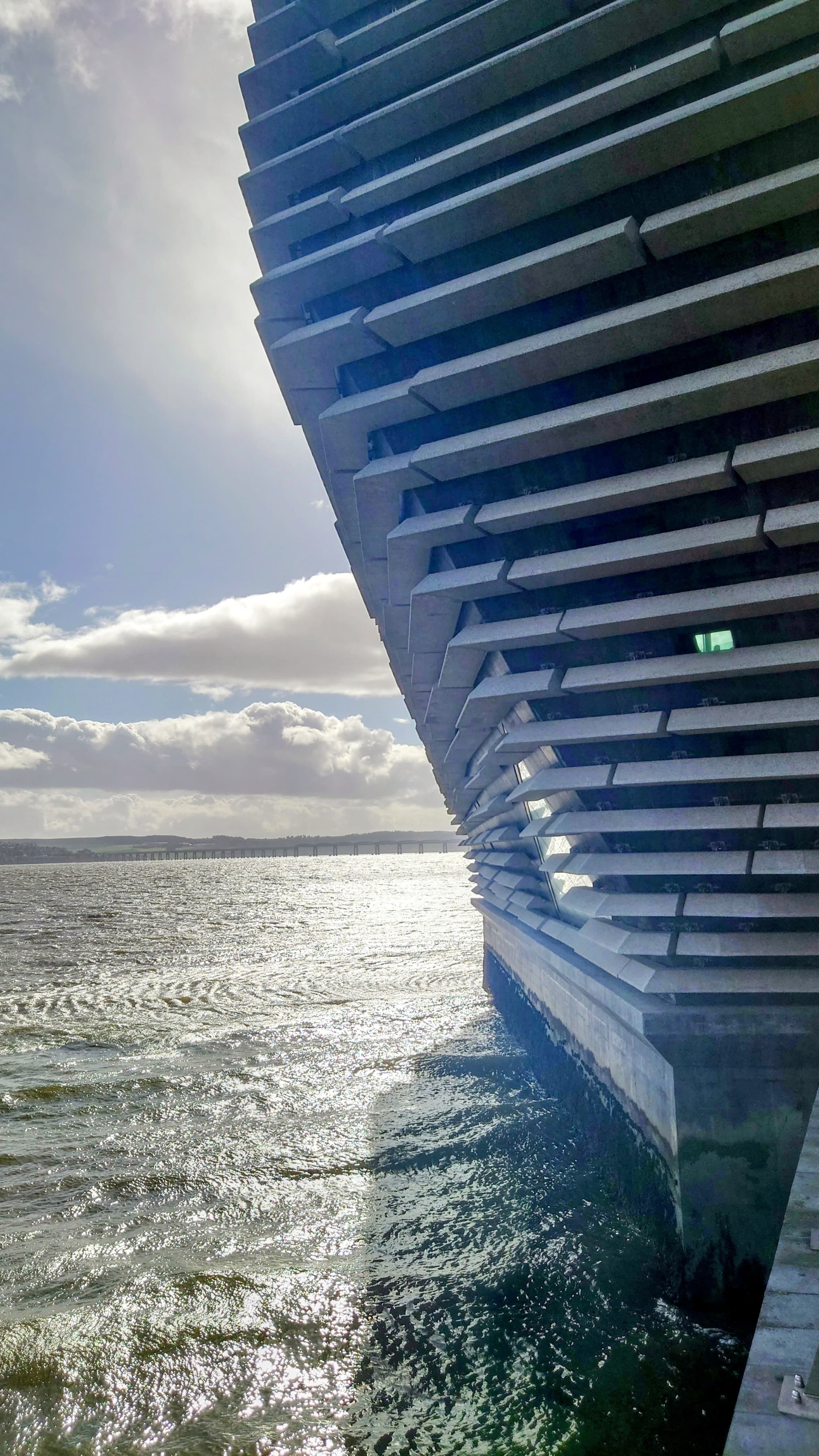
Riverside Esplanade, Dundee
V&A Dundee
On Dundee's waterfront, the V&A rises beside the River Tay, its striking concrete forms inspired by Scotland's coastal cliffs. It is a building that asks to be viewed from more than one angle.
Explore Scotland's built heritage through stone, civic vision, sacred spaces, vernacular tradition and bold contemporary design from medieval abbeys to waterfront museums.
12 selected places in this curated collection
On Dundee's waterfront, the V&A rises beside the River Tay, its striking concrete forms inspired by Scotland's coastal cliffs. It is a building that asks to be viewed from more than one angle.
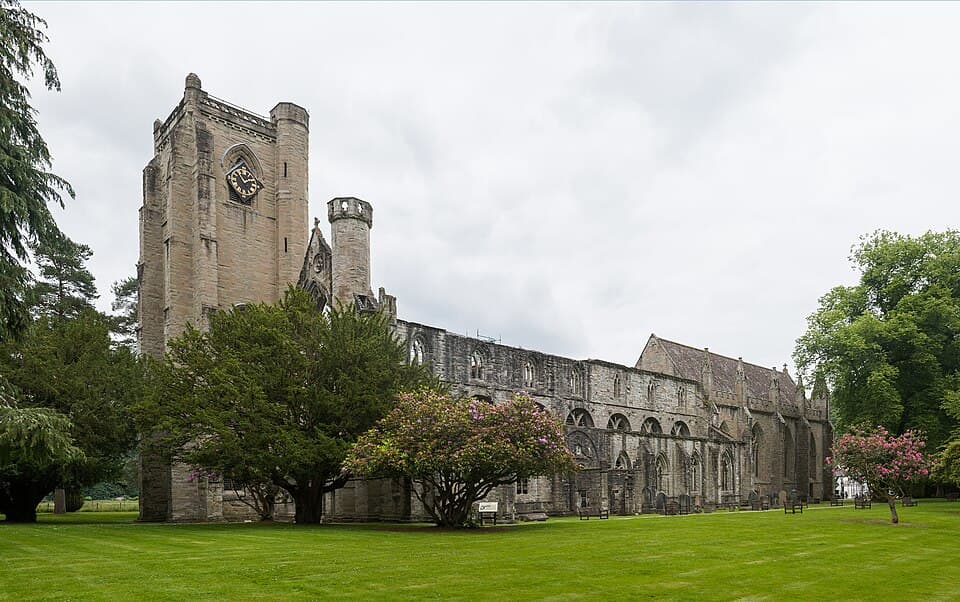
Beside the River Tay, Dunkeld Cathedral stands partly in ruins and partly in use. Its roofless medieval nave and working parish church sit side by side, each belonging to a different chapter of its history.
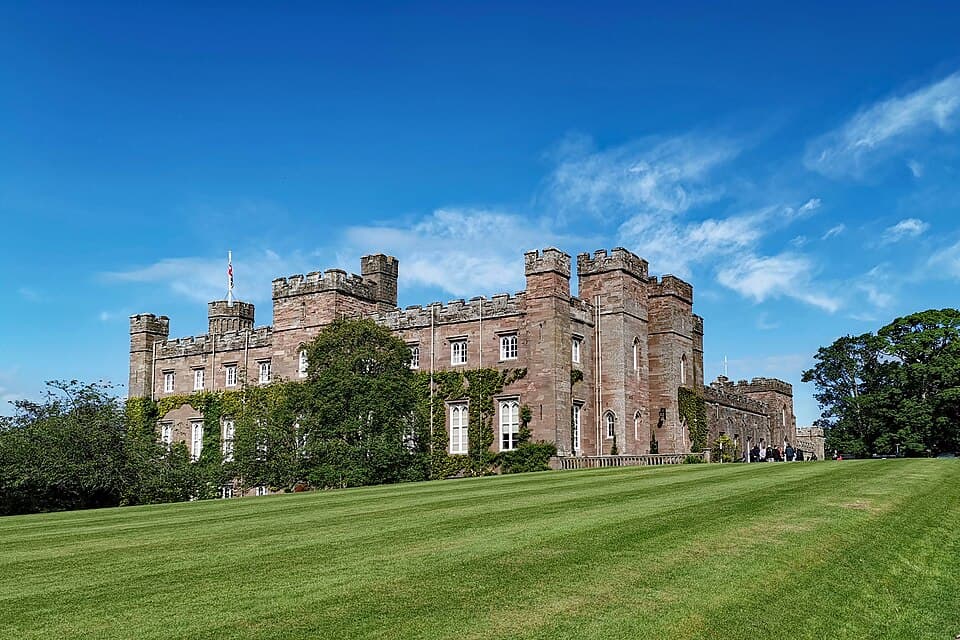
Scone is inseparable from the story of Scottish kingship. Yet the palace standing here today belongs largely to the nineteenth century, long after the ceremonies that made the place famous.
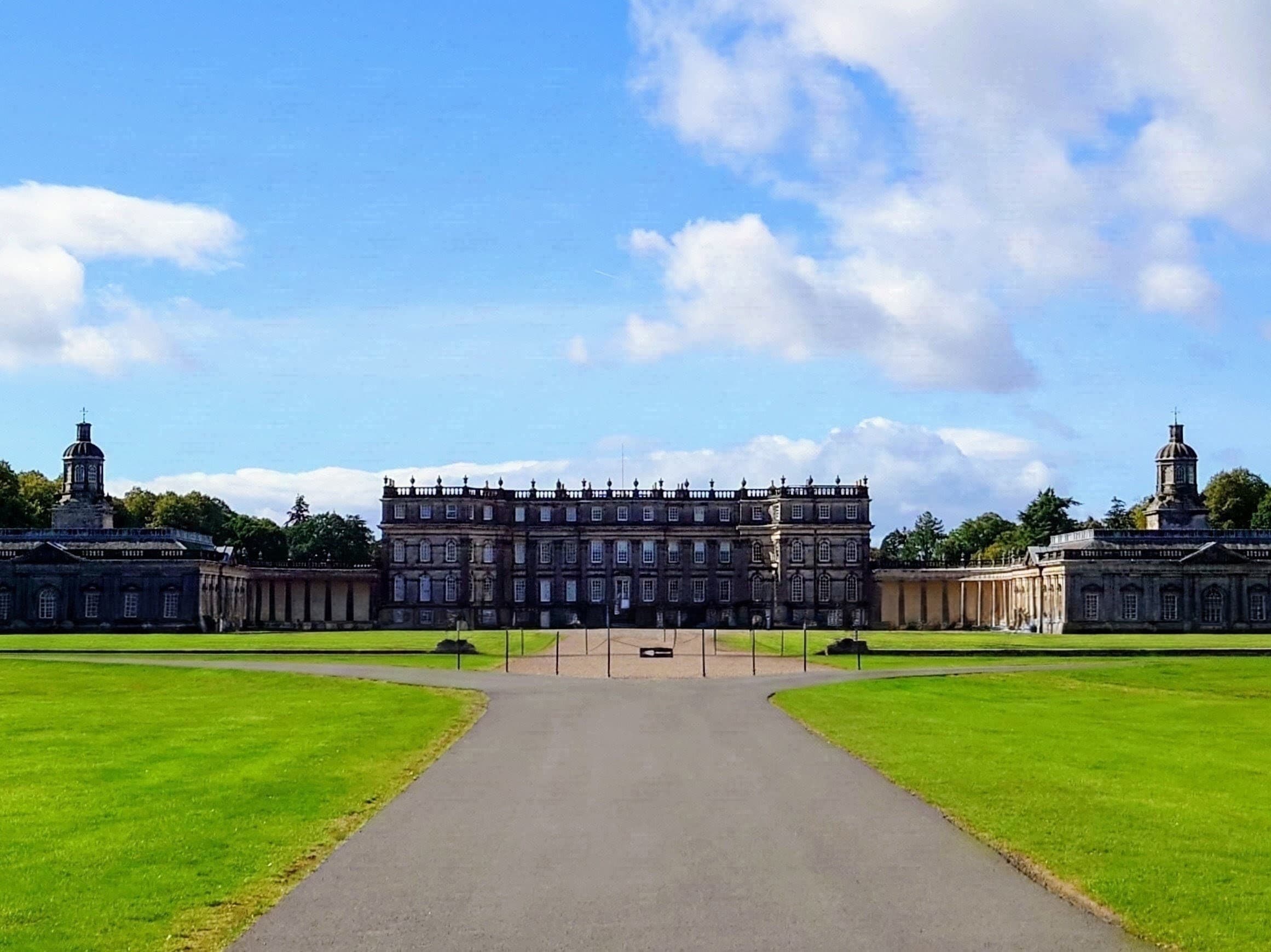
Hopetoun House is one of Scotland's grandest country houses, but it is not the work of a single architect. Two generations of design transformed the residence into the building we see today.
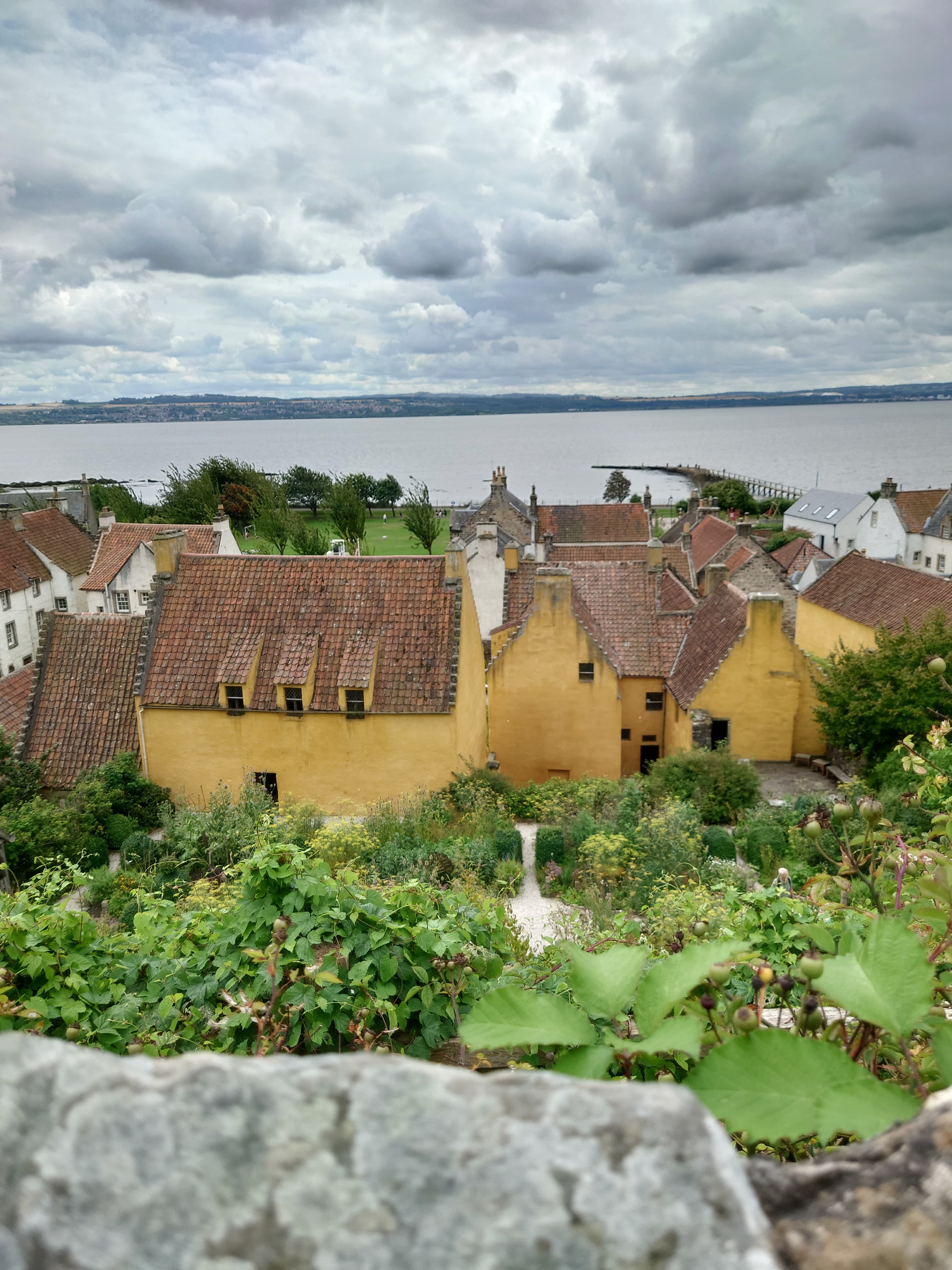
Culross Palace has a rather grand name for a merchant's house. With its painted walls, crow-stepped gables and narrow streets, it belongs to a town that once prospered through trade, coal and salt.
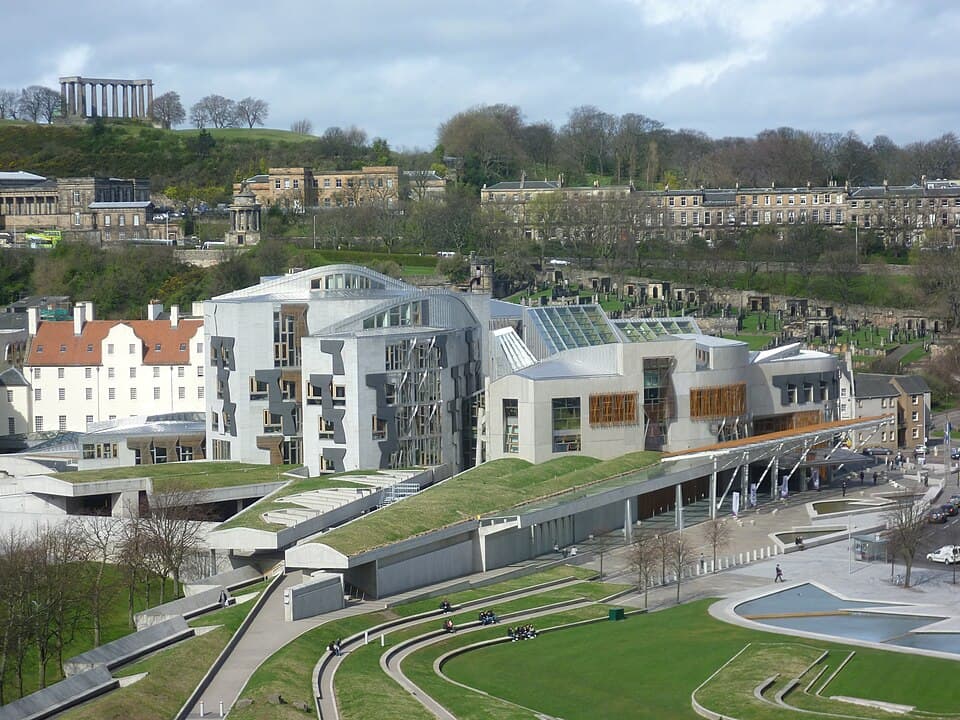
At the foot of the Royal Mile, the Scottish Parliament looks unlike most government buildings. Its unusual shapes and materials sit between the Palace of Holyroodhouse and the rocky slopes of Salisbury Crags.
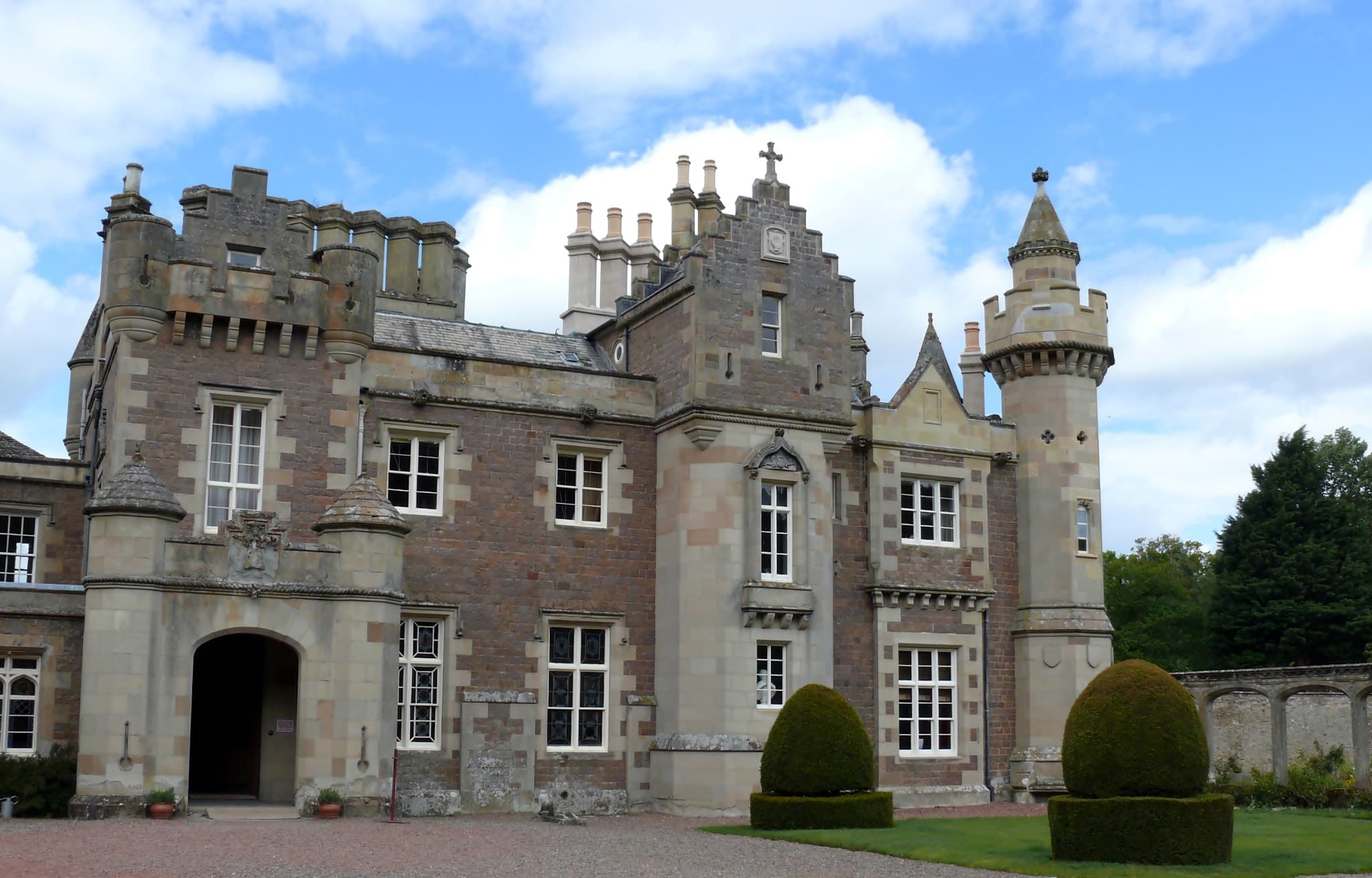
For a generation of North American readers, Walter Scott helped supply the picture of Scotland before they ever came here.
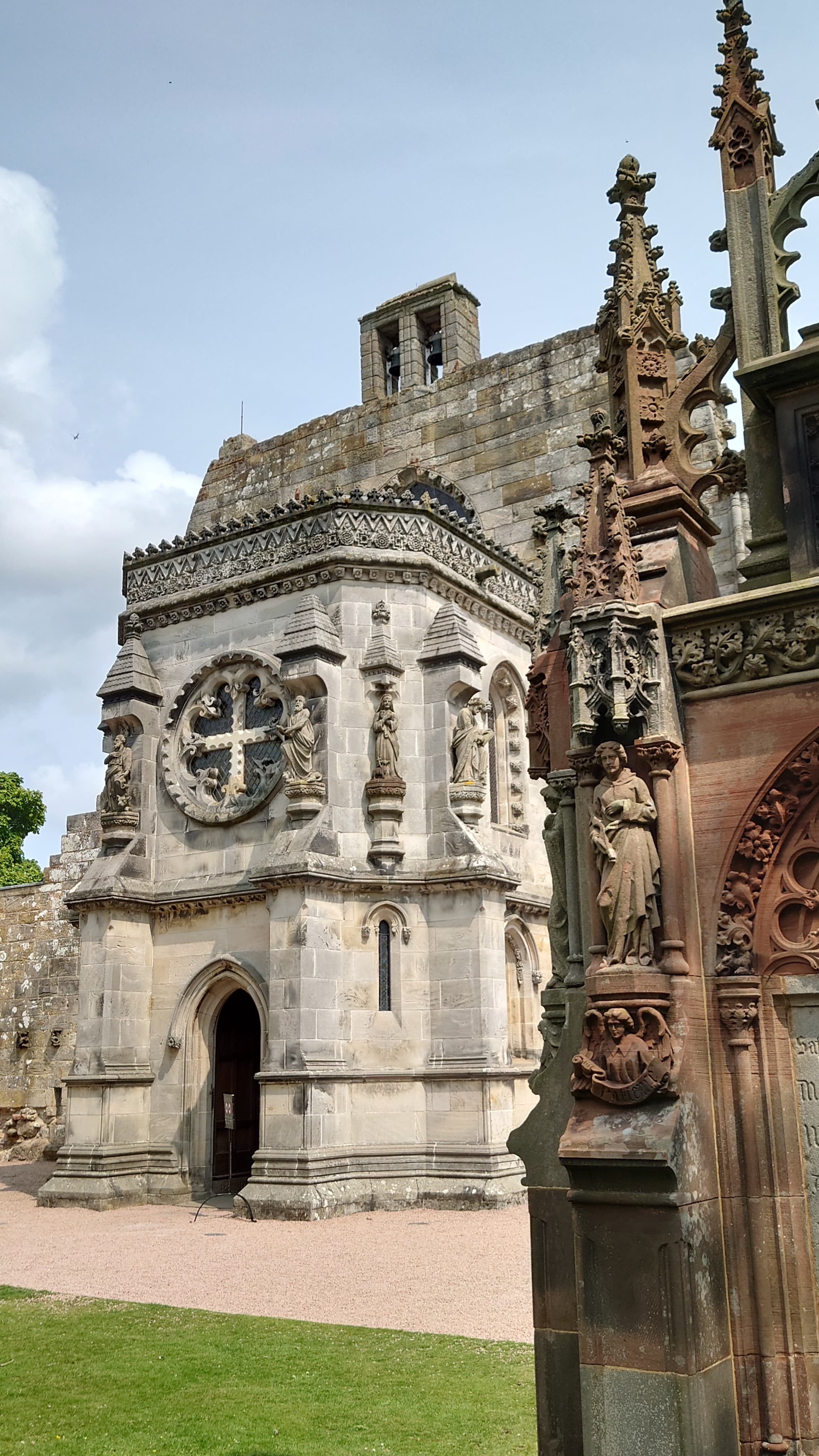
Rosslyn Chapel has attracted more than its share of legends. Yet its remarkable fifteenth-century architecture and richly carved stonework are fascinating without any of them.
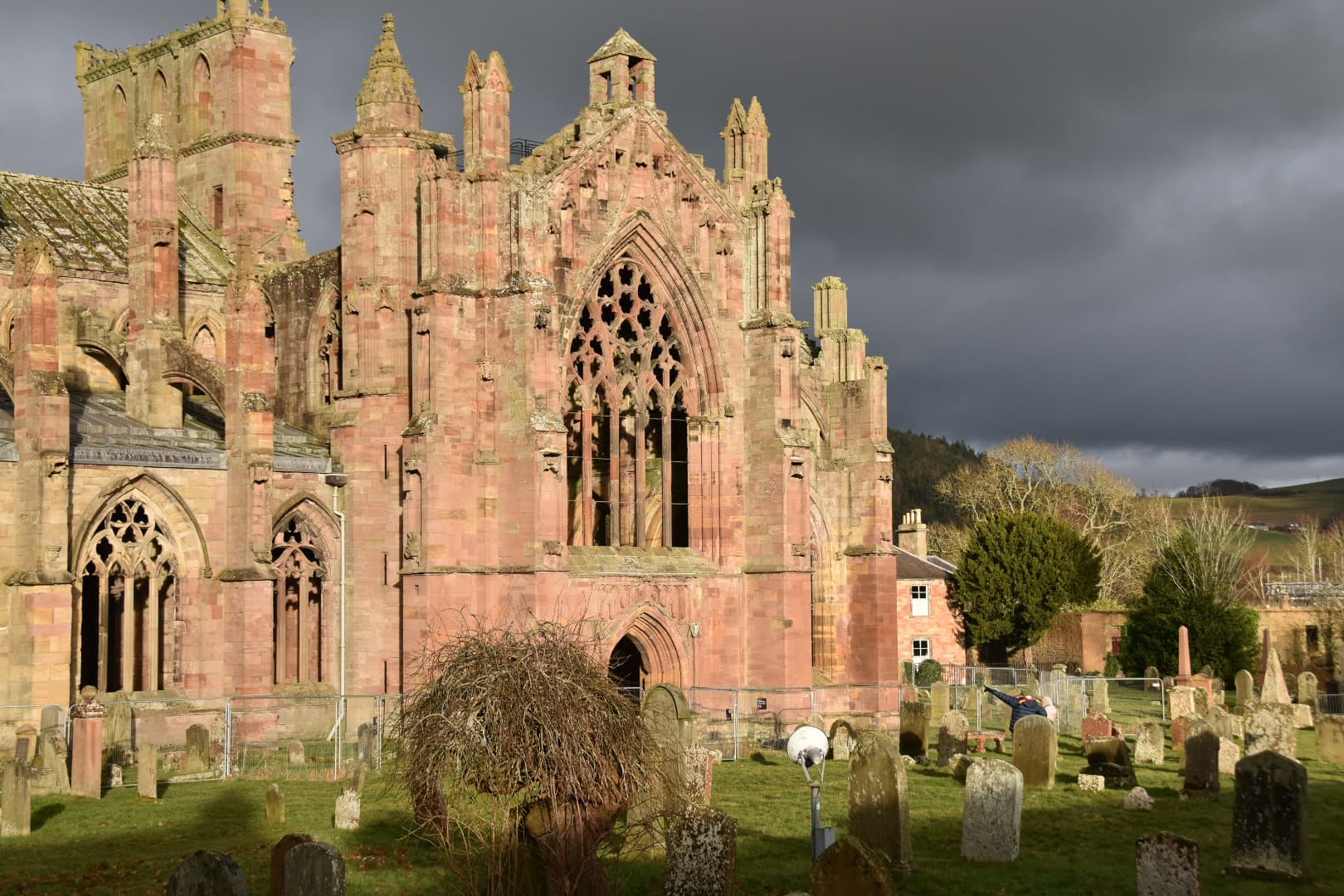
Melrose Abbey is famous for its ruined church and elaborate stonework. But the surviving walls represent only part of what was once a large and influential medieval monastery.
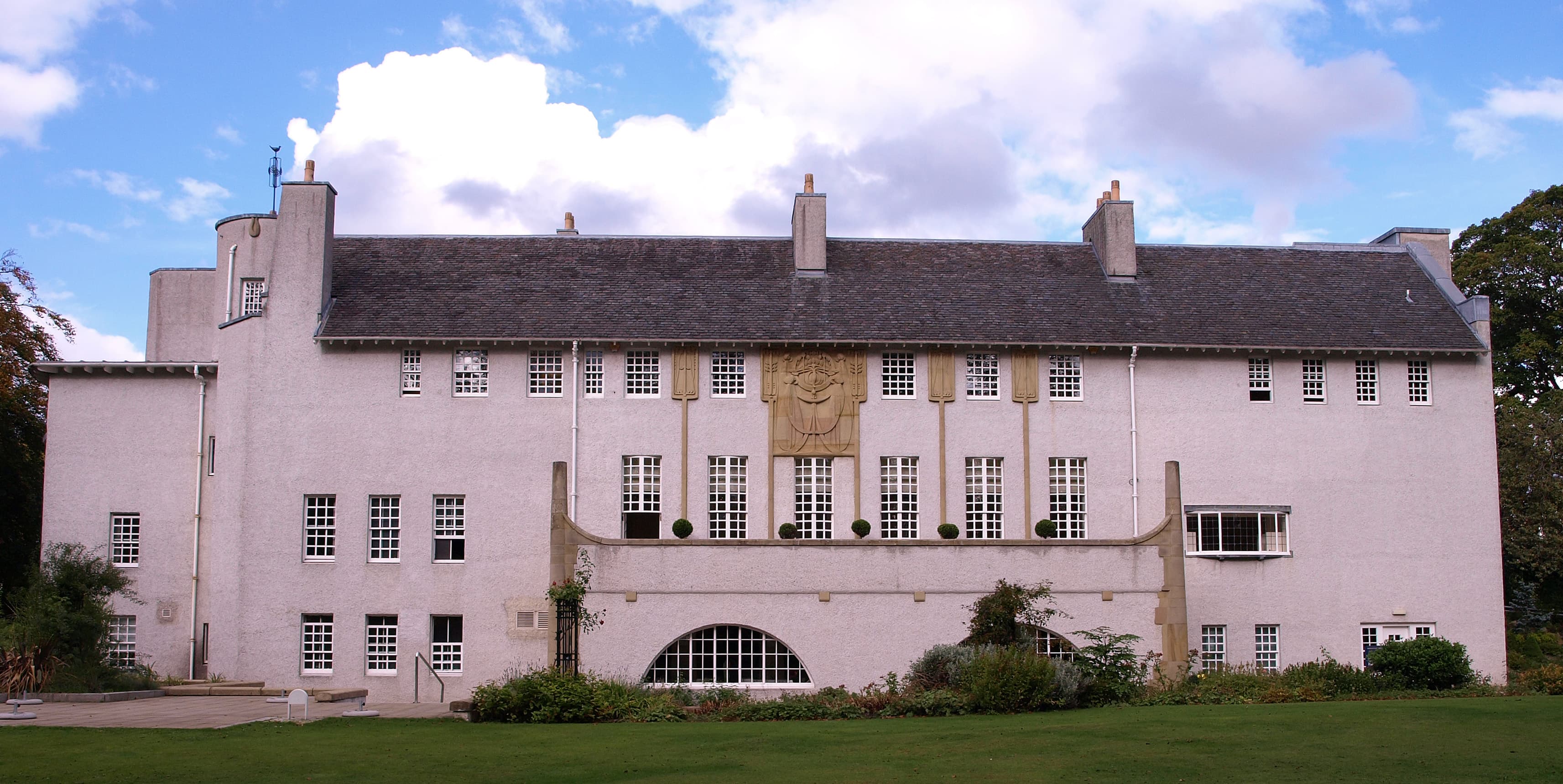
Glasgow's House for an Art Lover began as a design on paper in 1901 and became a real building almost a century later.
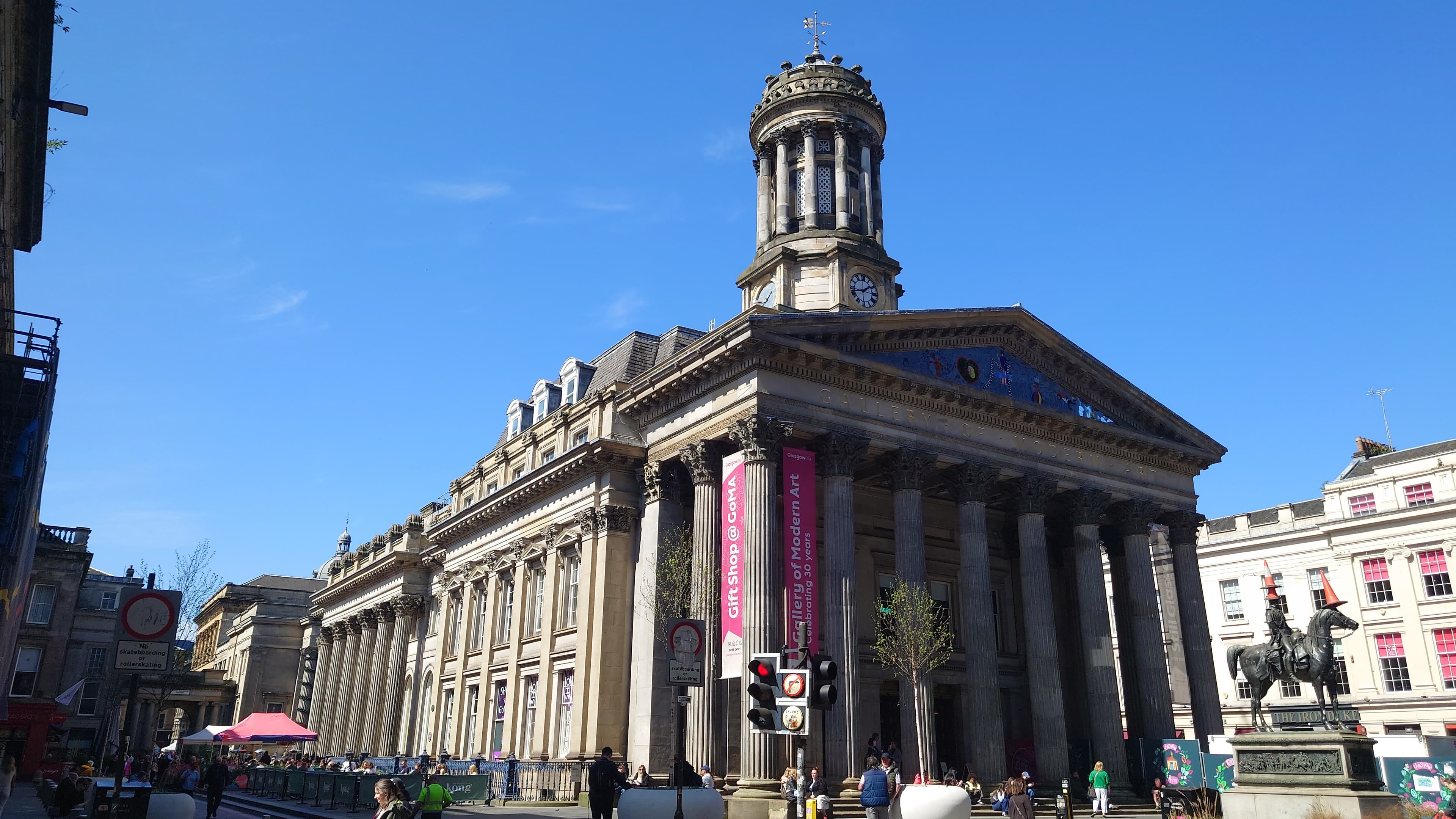
Glasgow's Gallery of Modern Art occupies a former merchant's mansion. Behind its grand classical frontage lies a history closely connected to Atlantic trade and the wealth created through slavery.
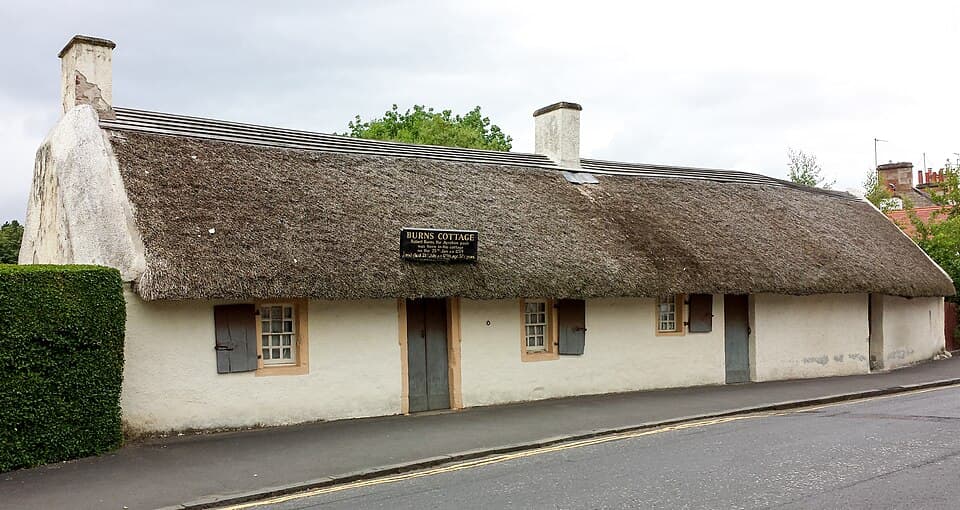
Burns Cottage is a modest building for such a famous birthplace. Built by the poet's father, it offers a glimpse of rural Ayrshire in which Robert Burns spent his earliest years.
Ross can weave these stories and visits into an unhurried private journey designed around your party.